Our methodology is fixed and written down: scope agreed before attendance, non-destructive inspection unless destructive testing is agreed in writing, measured data wherever an instrument exists for the question, findings described with location and consequence, defects graded by urgency, and limitations stated explicitly.
A method that changes with the client is not a method. This page sets out how we work so that you can hold us to it — and so that you can compare us against anyone else quoting for the same job.
The seven rules we work to
- Scope before attendance. No survey starts without a written scope stating what will and will not be inspected, and what conditions the vessel must be presented in.
- Non-destructive by default. Destructive testing — timber pick tests, fastening withdrawal, core samples — is agreed in writing beforehand with locations, counts and making-good arrangements.
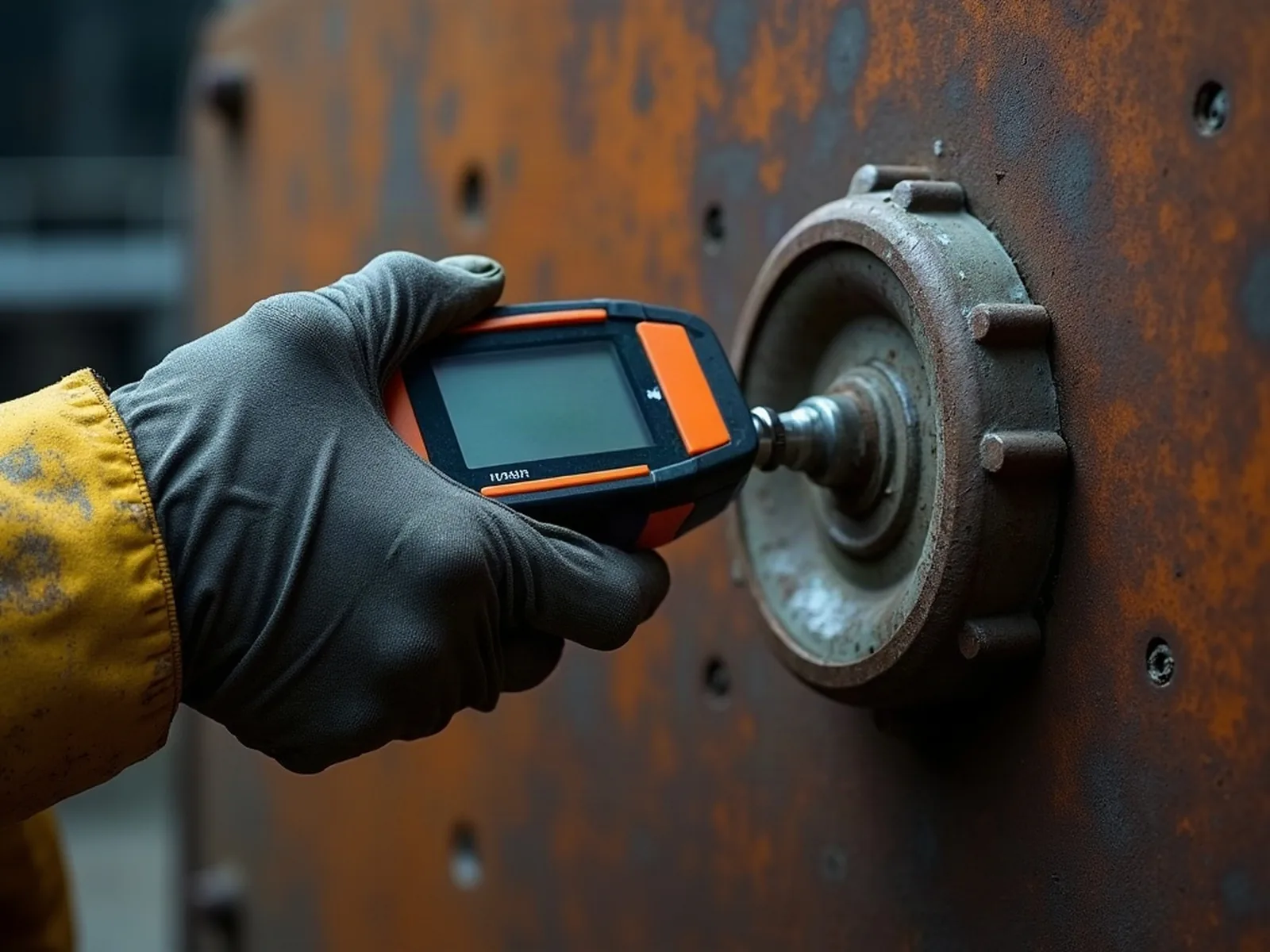
- Instruments over adjectives. Where an instrument can answer the question, it is used and the reading is reported: thickness in millimetres, moisture on a stated scale, temperature, pressure, clearance.
- Location and consequence. Every finding says where it is and what it means. “Corrosion noted” is not a finding.
- Grade, then recommend. Defects are graded urgent, short-term, monitor or advisory, and each carries a recommended action and timescale.
- State the limitations. Anything not inspected is listed. A conclusion that does not carry its limitations is misleading, however positive it sounds.
- Review before issue. Every report is checked against this standard before it leaves the desk.
Standards and references we work against
We are an independent survey practice, not a standards body. Where our work references an external standard, we reference it accurately and we do not imply approval by the body concerned:
| Area | Reference framework we work against | What that does and does not mean |
|---|---|---|
| Structural condition and wastage | Classification society renewal criteria for the vessel type, and the vessel’s own as-built scantlings where available | We assess against those criteria. We are not the class society and our report is not a class certificate |
| Statutory condition | Applicable international conventions — SOLAS, MARPOL, Load Line, ISM, ISPS — and Indonesian flag requirements | We report condition against them. Certification remains with the flag state or its recognised organisation |
| Cargo quantity | Standard draft survey methodology — mean of means, trim, density and deflection corrections — and recognised bunker measurement practice | The full calculation is shown in the report so it can be checked |
| Cargo condition and claims | Applicable carriage regime and the commodity’s own handling and moisture requirements | We record fact and give technical opinion; liability is a legal question |
| Yacht and small craft | Established small-craft survey practice: moisture and percussion assessment, rig age criteria, systems function testing | Reported with the scale and method stated so readings can be interpreted |
| Professional conduct | Written independence declaration, conflict disclosure, confidentiality to the instructing party | Set out in the engagement conditions attached to every report |
Instruments and calibration
Standard instrument set
- Ultrasonic thickness gauge, verified on a reference block of known thickness at working temperature at the start of each session, with the verification recorded.
- Moisture meter, with the scale and instrument type stated in the report — readings are relative comparisons, not absolute water content.
- Calibrated hydrometer and thermometer for density and temperature work on draft and bunker surveys.
- Sounding tape and bob, checked against the vessel’s own tables and reference marks.
- Borescope for internal machinery and structure access without dismantling.
- Phenolic hammer and spike for percussion and pick testing.
- Photographic equipment with scale references used in all defect images.
What we will not do
We will not write a report to a predetermined conclusion, we will not soften findings because a transaction depends on them, we will not accept an instruction where a group company’s interest cannot be disclosed and managed, and we will not attend a survey where the agreed scope has been cut to the point that the report would mislead. In that last case we say so before travelling, not afterwards in a limitations paragraph.
Ask for our engagement conditions
Send the vessel details, the port where she lies and your target date. We reply with surveyor availability, a written scope and a fee band before anyone boards.
WhatsApp +628113823875 sales@komodoluxury.com
Yacht & leisure desk · fees quoted in USD · report issued in English