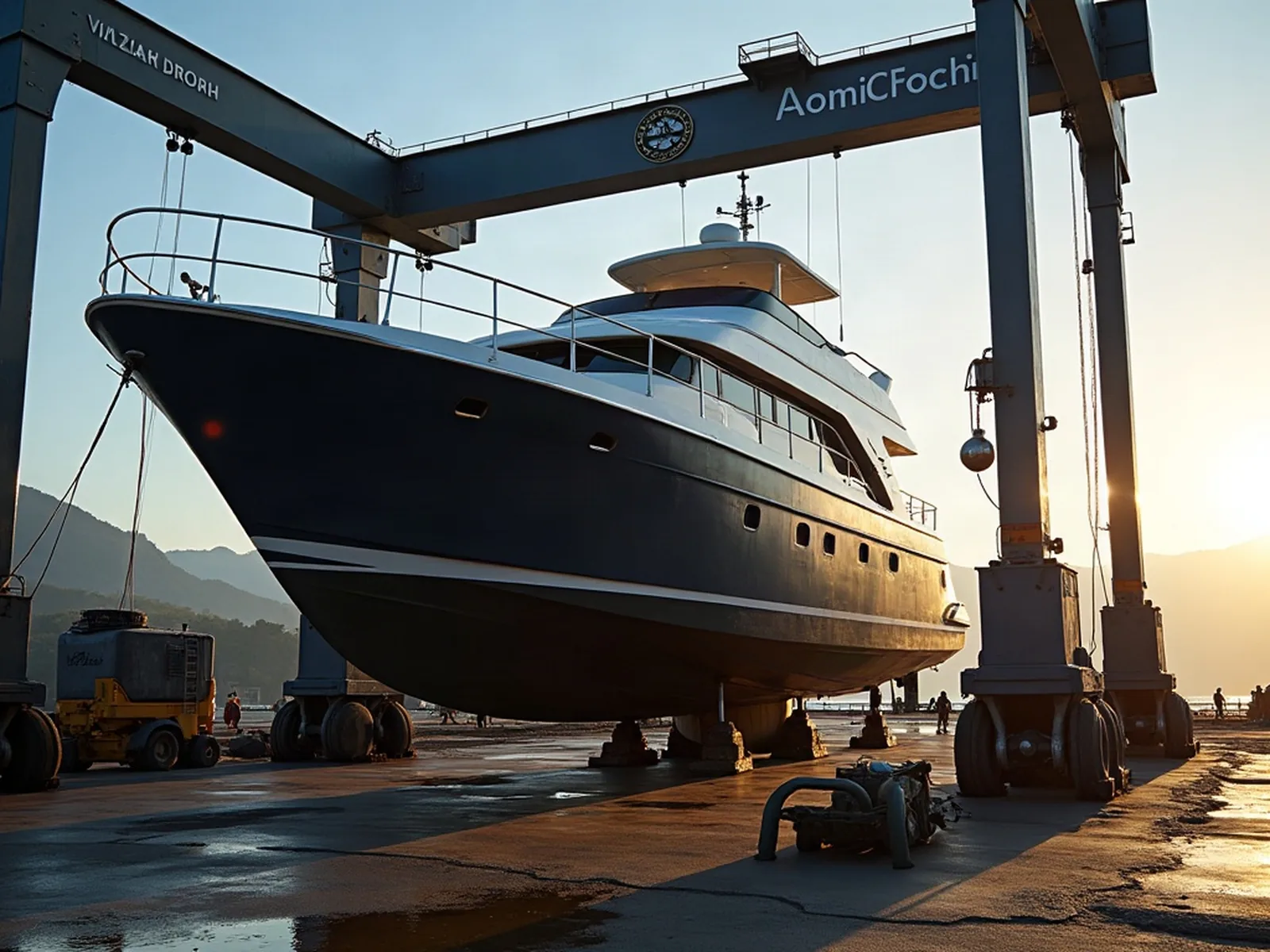
A vessel presented properly can be surveyed in a day. Engine cold on arrival, all lockers and hatches opened, bilges accessible, tanks soundable, documents aboard, and someone available who can operate the systems. Anything not accessible becomes a limitation in the report, which helps nobody.
Seller’s checklist
- Leave the engines cold. A warmed-up engine hides starting behaviour, smoke and compression symptoms. Surveyors notice when it has been run.
- Open every locker, hatch, sole panel and inspection port before the surveyor arrives.
- Clear the bilges of stored gear so they can be seen and sounded.
- Have tank sounding equipment or gauges available and working.
- Assemble the documents: registration, tonnage, class where applicable, previous surveys, service records, certificates for liferaft, EPIRB, extinguishers and rigging.
- Make sure the batteries are charged and the vessel has fuel and water for the sea trial.
- Have someone aboard who knows the systems and can operate them.
- Book the slipway or lift in advance if a haul-out is agreed — this is the single most common cause of a wasted survey day.
Buyer’s checklist
- Confirm in writing what the survey scope includes and excludes, before travel.
- Arrange the haul-out slot yourself if the seller will not, and confirm who pays.
- Confirm the sea trial is agreed, with fuel, crew and a route.
- Write a survey clause into the offer making the deposit refundable on an adverse survey.
- Tell the surveyor what you intend to do with the vessel — private cruising, charter, commercial work. It changes what matters.
- Ask for the verbal preliminary on the day rather than waiting for the report.
- Do not book flights around a survey date until access is confirmed by the seller.
What cannot be prepared away
Preparation makes a survey efficient; it does not make a vessel better. Fresh antifouling over unprepared plate, a bilge painted the week before, or a hastily polished engine room are noticed and recorded. A surveyor who finds recently applied paint over an area of interest will say so, and it moves the finding from neutral to suspicious.
If you are the seller and want the sale to go through
Present the vessel honestly and completely. Buyers walk away from surprises far more often than from defects. A known defect, disclosed and priced, is a negotiation; the same defect discovered by a surveyor after the seller said nothing is the end of trust and usually the end of the deal.
Frequently asked questions
How do I prepare a boat for a marine survey?
Engines cold, everything opened, bilges clear, tanks soundable, documents aboard, someone available who can operate the systems, and the haul-out booked if one is agreed.
Should the seller be aboard during the survey?
Useful for access and for running machinery, but the surveyor works for the buyer and the report goes to the buyer alone.
What if the seller refuses a haul-out?
Offer to pay for it yourself. If it is still refused, that is a finding in its own right.